NDPC Hosts Stakeholders' to Review Disability-Inclusive SDG Indicators in Ghana’s VNR
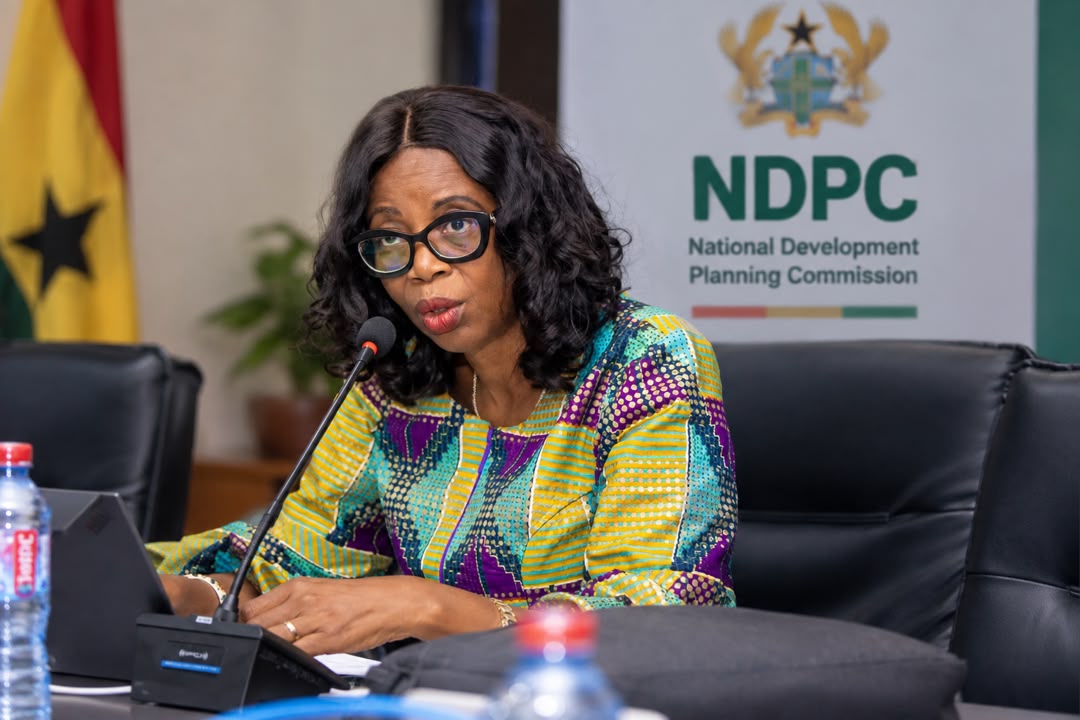
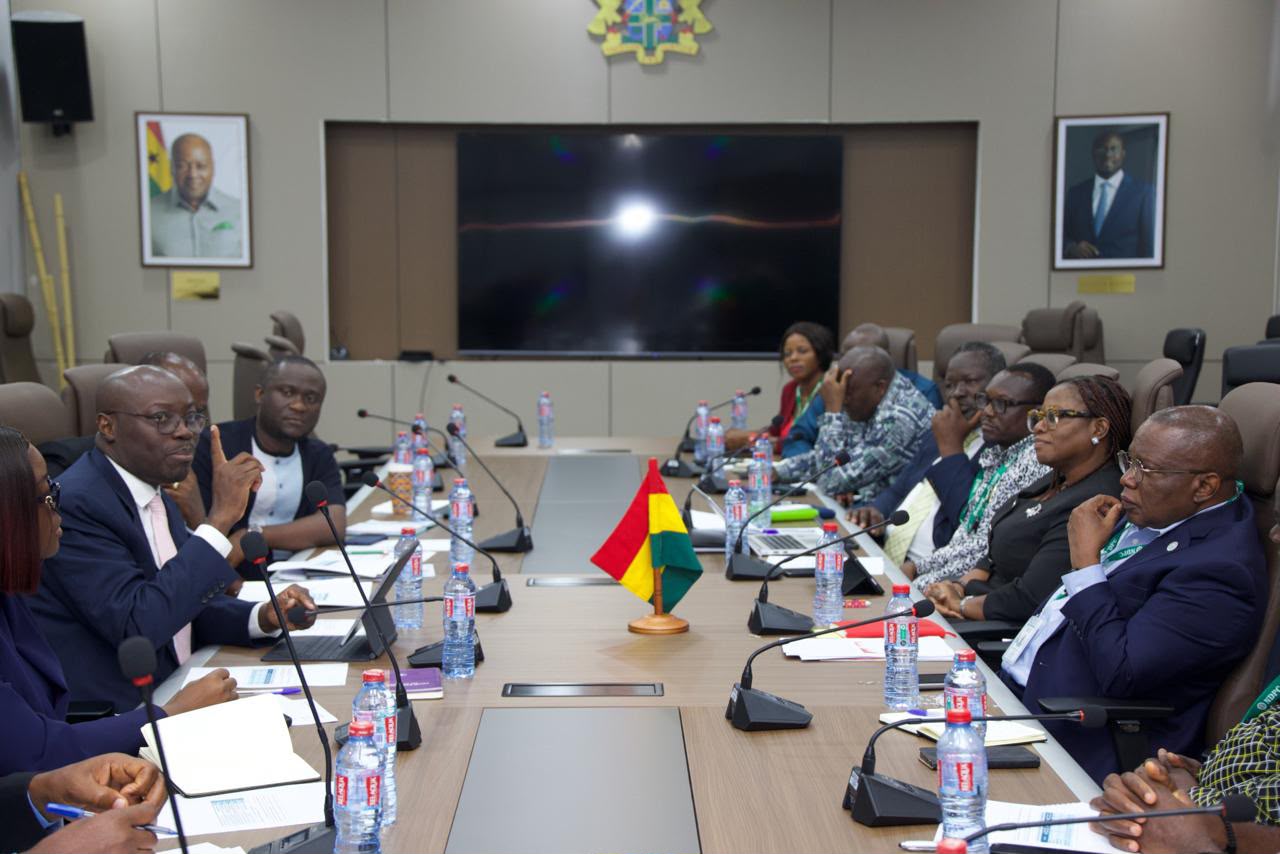
The National Development Planning Commission (NDPC) on Friday, January 23, 2026, held a strategic stakeholders' meeting to review Ghana's progress on disability-inclusive Sustainable Development Goal (SDG) indicators as part of the country's 2025 Voluntary National Review (VNR).
The meeting, in collaboration with the United Nations Development Programme (UNDP), aims to enhance awareness, inform evidence-based advocacy, and influence inclusive policies and programmes.
In his welcome remarks, Mr. Richard Tweneboah Koduah, Director of Research at NDPC, highlighted encouraging progress in disability inclusion. "Over the years, disability inclusion in Ghana’s VNRs has expanded from limited sectoral references to broader multi-sectoral coverage, including education, employment, social protection, health, gender-based violence, accessibility, and data systems," he stated.
He added, "However, gaps remain, including limited continuity of indicators across reporting cycles, gaps in disability-disaggregated data, reliance on qualitative reporting in some sectors, and weak tracking of financing and implementation of earlier commitments."
Mr. Koduah emphasised the importance of the meeting, saying, "Today’s discussion is therefore important for validating the findings and identifying practical ways to strengthen disability-inclusive SDG reporting and implementation going forward."
Dr. Edward Ampratwum, Head of Inclusive Growth & Accountable Development, UNDP, emphasised the importance of the review, saying, "This review was commissioned with a clear purpose. As Ghana prepared its 2025 Voluntary National Review, we wanted to move beyond general statements of commitment and take a closer, more honest look at how disability is actually being reflected in Sustainable Development Goals (SDGs) monitoring and reporting."
He further stated, "The findings of this review show that Ghana has made meaningful progress. Over successive VNR cycles, disability inclusion has moved from being relatively marginal to becoming more visible and more cross-cutting. However, visibility does not yet equal consistency. Disability disaggregated data are still uneven across SDG indicators."
In his presentation, Mr. Ibrahim Musah, a Planning Analyst with NDPC, highlighted Ghana's progress in disability inclusion, noting that "about 2.1 million people, representing 8% of the population, experience some form of disability, with higher prevalence among females and rural areas."
Mr. Musah stated, "We have made progress in reporting disability-related indicators, from three indicators in 2019 to six in 2025. However, we still face challenges in data collection, with some sectors relying on qualitative references rather than measurable indicators."
He emphasised the importance of data, saying, "If we don't have data, we can't plan. We need to be intentional about our development agenda and include strategies that address the needs of persons with disabilities."
Mr. Musah also highlighted areas for improvement, including limited continuity of indicators, gaps in disability-disaggregated data, and weak tracking of financing and implementation of earlier commitments.
The meeting brought together representatives from Ministries, Departments, and Agencies (MDAs), Metropolitan, Municipal, and District Assemblies (MMDAs), Development Partners, and Organisations of Persons with Disabilities to contribute to advancing disability inclusion in Ghana's development processes for sustainable development.